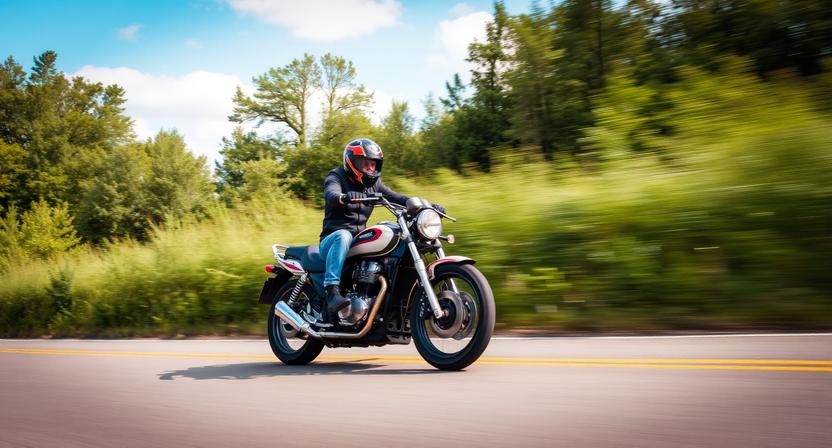
The Importance of Visibility for Motorcycle and Off-Road Vehicle Safety
Visibility is one of the most important factors in motorcycle and off-road vehicle safety. Because motorcycles and smaller off-road vehicles are less noticeable than larger vehicles, riders face increased risks of collisions caused by limited visibility or driver inattention. Improving visibility helps riders reduce accident risks and maintain safer riding conditions on roads, trails, and outdoor terrain.
Motorcycle safety experts and riding advocates such as David Vepraskas Atlanta have emphasized the importance of visibility awareness for both beginner and experienced riders. Proper lighting, reflective equipment, and defensive riding techniques all contribute to safer riding experiences.
Why Motorcycles Are Harder to See
Motorcycles have a smaller profile than passenger vehicles, making them more difficult for drivers to notice in traffic. Visibility problems are especially common at intersections, during lane changes, and in low-light conditions.
Common visibility challenges include:
- Driver blind spots
- Limited nighttime visibility
- Heavy traffic conditions
- Poor weather conditions
- Distracted driving
Understanding these risks helps riders take additional precautions while riding.
Using Headlights During Daytime Riding
Many riders use headlights during daytime hours to improve visibility to surrounding traffic. Daytime headlights help motorcycles stand out against background traffic and road environments.
Benefits of daytime headlight use include:
- Increased vehicle recognition
- Improved visibility at intersections
- Better awareness for oncoming drivers
- Reduced collision risks
- Enhanced rider presence in traffic
Many modern motorcycles are designed with automatic daytime running lights for this reason.
Wearing Reflective and Bright Gear
Protective gear with reflective materials or bright colors helps riders remain visible in both daytime and nighttime conditions.
Important visibility-enhancing gear includes:
- Reflective jackets
- Brightly colored helmets
- Reflective vests
- High-visibility gloves
- Reflective riding backpacks
Reflective equipment is especially important during nighttime or poor weather riding.
Avoiding Vehicle Blind Spots
Blind spots are one of the most dangerous areas for motorcycle riders. Drivers may fail to notice motorcycles positioned beside or behind larger vehicles.
Safe riding practices include:
- Avoiding prolonged blind spot riding
- Passing vehicles carefully
- Maintaining visible lane positioning
- Using headlights consistently
- Watching for sudden lane changes
Defensive positioning improves visibility and reaction time.
Improving Night Riding Safety
Night riding creates additional visibility challenges due to reduced lighting and limited depth perception.
Important nighttime safety practices include:
- Reducing riding speed
- Keeping headlights clean
- Wearing reflective clothing
- Using properly adjusted lights
- Increasing following distance
Night riders should remain especially alert for road hazards and distracted drivers.
Visibility Challenges in Off-Road Riding
Off-road riders also face visibility risks, especially on wooded trails, dusty terrain, or narrow paths. Limited visibility can increase collision risks between riders and obstacles.
Off-road visibility precautions include:
- Wearing brightly colored gear
- Using trail lighting systems
- Reducing speed on blind turns
- Maintaining safe riding distances
- Using communication systems during group rides
Dust and terrain conditions can quickly reduce rider visibility on trails.
Weather Conditions and Visibility
Rain, fog, snow, and dust storms can significantly reduce visibility for both riders and surrounding drivers.
Weather-related visibility risks include:
- Reduced headlight effectiveness
- Fogged visors or goggles
- Limited obstacle visibility
- Reduced traction awareness
- Delayed driver reaction times
Riders should adjust speed and increase caution during poor weather conditions.
Proper Use of Turn Signals and Brake Lights
Communication with other drivers is critical for motorcycle safety. Functional turn signals and brake lights help other road users anticipate rider movements.
Important lighting safety practices include:
- Checking signal operation regularly
- Using signals early before turns
- Testing brake lights before rides
- Replacing damaged bulbs promptly
- Maintaining clean lenses
Reliable lighting systems improve communication and road awareness.
Lane Positioning for Better Visibility
Proper lane positioning can help riders remain visible to surrounding drivers while improving road awareness.
Effective lane positioning strategies include:
- Staying out of blind spots
- Maintaining visible road positioning
- Adjusting position based on traffic flow
- Increasing spacing during heavy traffic
- Avoiding hidden riding positions behind vehicles
Strategic positioning helps riders react more effectively to traffic changes.
The Role of Defensive Riding in Visibility
Defensive riding complements visibility improvements by helping riders anticipate risks and maintain awareness.
Important defensive riding habits include:
- Watching driver behavior carefully
- Preparing for sudden lane changes
- Monitoring intersections closely
- Maintaining escape routes
- Avoiding distracted riding
Combining visibility strategies with defensive riding reduces accident risks significantly.
Conclusion
Visibility is a critical part of motorcycle and off-road vehicle safety. Proper lighting, reflective gear, lane positioning, and defensive riding practices all help riders remain more noticeable and reduce collision risks.
As motorcycle and off-road riding continue to grow in popularity, visibility awareness remains essential for safer riding experiences. Riders who focus on improving visibility and maintaining awareness are often better prepared to avoid accidents and navigate changing road or trail conditions safely.
Leave a Reply