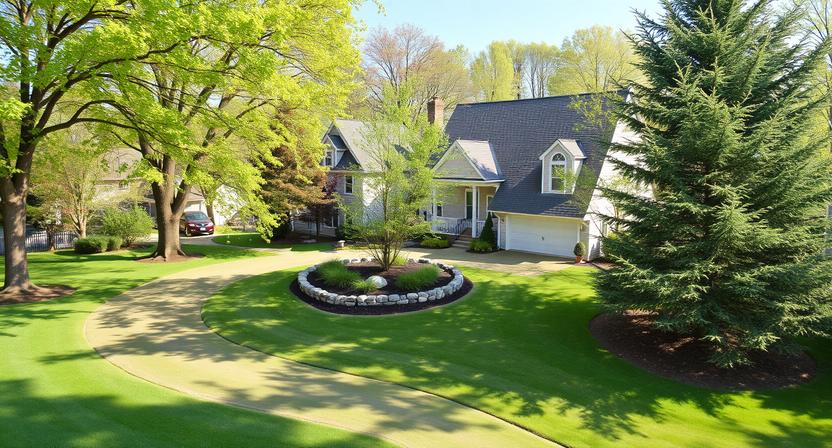
Why Montreal’s Luxury Real Estate Segment Is Expanding in 2026
The high-end property segment in Montreal is showing measurable growth in 2026, with increased transaction activity, rising price thresholds, and expanding buyer interest. This expansion is supported by wealth concentration trends, international demand, and relative affordability compared to other global cities. Data from brokerage reports, financial institutions, and housing market analyses indicates that the luxury segment is becoming a more significant component of Montreal’s overall real estate landscape.
Rising High-Income Population
FACT (Income distribution data – Statistics Canada)
Montreal has seen growth in higher-income households, particularly in sectors such as:
- Technology (AI, software)
- Finance and professional services
- Entrepreneurship and startups
Impact on luxury demand:
- Increased purchasing power for high-end properties
- Expansion of the luxury buyer base
- Greater demand for premium housing features
Relative Affordability vs Global Cities
FACT (International real estate comparisons – industry reports)
Compared to cities like Toronto, Vancouver, New York, or London, Montreal offers:
- Lower price per square foot in luxury segment
- Larger property sizes for comparable budgets
- Lower entry cost into high-end real estate
Effect:
- Attraction of both domestic and international buyers
- Increased cross-market migration of high-net-worth individuals
- Competitive positioning in global luxury market
Growth in International Buyer Interest
INDUSTRY CONSENSUS (Brokerage and investment reports)
Montreal continues to attract foreign buyers in the luxury segment.
Drivers:
- Stable Canadian legal and financial systems
- Cultural appeal and lifestyle factors
- Currency advantages depending on exchange rates
Market impact:
- Additional demand layer for high-end properties
- Increased competition in select premium neighborhoods
Demand for Lifestyle-Oriented Properties
FACT (Consumer preference studies, brokerage insights)
Luxury buyers prioritize lifestyle features over purely financial considerations.
Key preferences:
- Waterfront or scenic views
- Proximity to cultural and entertainment districts
- Smart home technology and high-end finishes
Outcome:
- Higher value placed on unique or well-located properties
- Premium pricing for differentiated assets
Limited Supply of High-End Inventory
FACT (MLS data trends, brokerage reports)
Luxury property supply remains relatively constrained.
Reasons:
- Limited development of ultra-high-end properties
- Owners holding assets for long-term appreciation
- High barriers to entry for luxury development projects
Effect:
- Price resilience in luxury segment
- Reduced volatility compared to mid-market housing
Expansion of Luxury Condo Market
FACT (Development and sales data)
Luxury is not limited to detached homes; high-end condos are increasing.
Characteristics:
- Premium locations (downtown, waterfront)
- High-end amenities (concierge, fitness centers, security)
- Smaller but highly finished living spaces
Impact:
- Broader accessibility to luxury segment
- Increased transaction volume in high-end condos
Investment Diversification Strategy
INDUSTRY CONSENSUS (Wealth management reports)
High-net-worth individuals are using real estate as a diversification tool.
Strategic reasons:
- Hedge against inflation
- Portfolio diversification beyond equities
- Long-term capital preservation
Effect on market:
- Sustained demand even during economic uncertainty
- Lower sensitivity to short-term interest rate changes
Urban Revitalization Supporting Premium Areas
FACT (Municipal development plans)
Luxury demand is reinforced by improvements in high-end neighborhoods:
- Infrastructure upgrades
- Cultural and commercial development
- Enhanced public spaces
Result:
- Increased desirability of established luxury zones
- Emergence of new premium districts
Price Segmentation Within Luxury Market
FACT (Brokerage segmentation data)
The luxury market is not uniform.
Segments:
- Entry luxury (upper-mid range properties)
- Core luxury (high-value residential homes and condos)
- Ultra-luxury (limited, high-value properties)
Trend:
- Strongest growth often observed in entry luxury due to broader buyer base
Role of Local Market Expertise
Luxury real estate requires highly specific market knowledge. Professionals such as Joelle Bitar courtier immobilier provide:
- Access to exclusive or off-market listings
- Pricing insights for unique properties
- Negotiation strategies tailored to high-value transactions
Luxury Market Drivers Summary
| Factor | Evidence Type | Impact |
|---|---|---|
| Income growth | Government data | Increased buyer capacity |
| Global affordability | Industry reports | International demand |
| Limited supply | MLS data | Price resilience |
| Lifestyle demand | Consumer studies | Premium pricing |
| Investment diversification | Wealth reports | Stable demand |
Practical Decision Framework
For Buyers:
- Evaluate long-term value beyond short-term price fluctuations
- Assess uniqueness and scarcity of the property
- Consider location-specific appreciation potential
For Investors:
- Use luxury assets for diversification rather than yield
- Focus on prime locations with limited future supply
- Monitor macroeconomic indicators affecting high-net-worth behavior
For Sellers:
- Position property based on unique features and lifestyle appeal
- Use targeted marketing strategies for niche buyer segments
- Price strategically based on comparable luxury transactions
Conclusion
Montreal’s luxury real estate segment in 2026 is expanding due to structural factors including rising incomes, global affordability advantages, and limited supply. Unlike broader market segments, luxury properties are influenced more by wealth trends and lifestyle preferences than by typical affordability constraints.
As a result, the luxury segment is becoming increasingly significant within Montreal’s overall real estate market, offering both stability and long-term value potential.
Leave a Reply